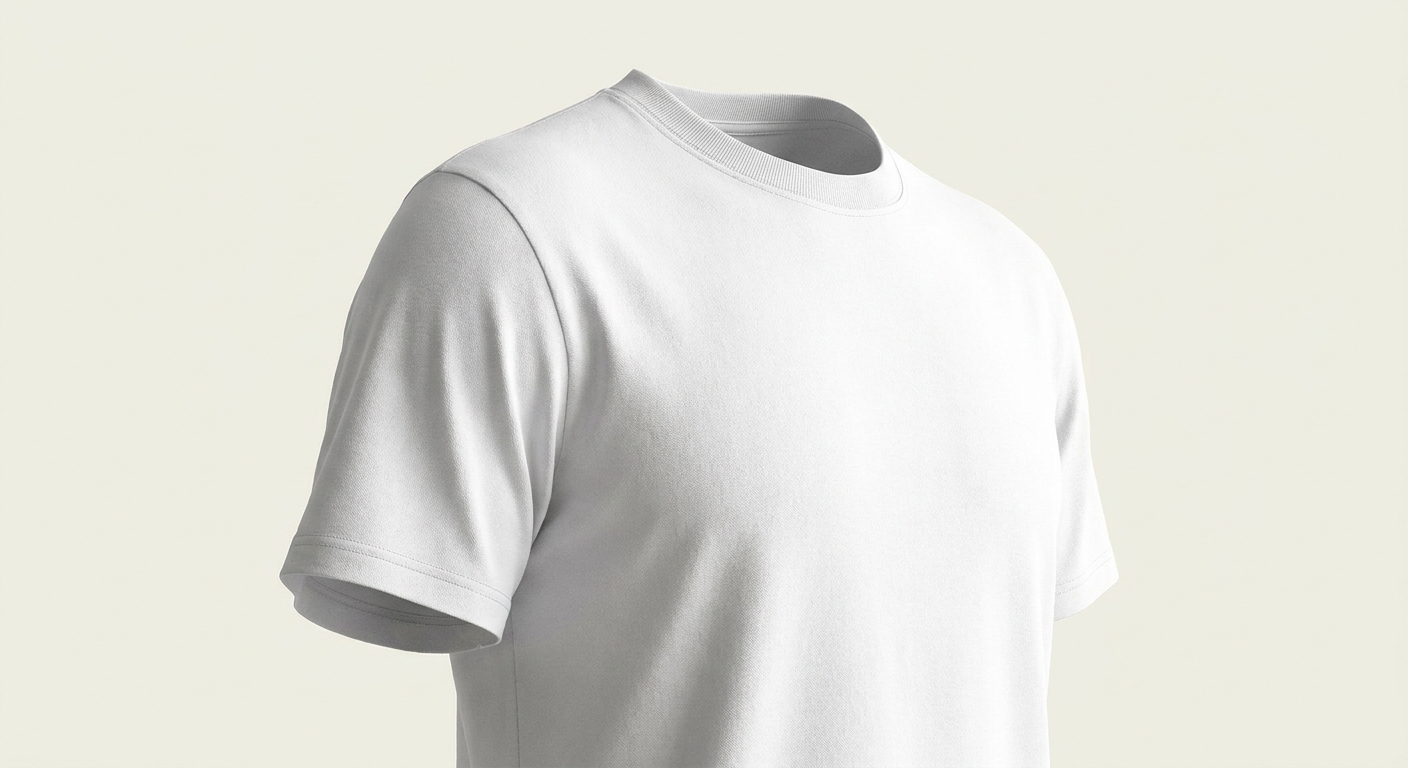
Personal style is not the same as buying more clothes. It is the practice of choosing pieces that fit your body, your daily life, and the way you want to be seen. The best wardrobe is not the loudest one; it is the one that makes getting dressed feel clear, confident, and repeatable.
Fashion moves quickly, but real style usually moves slowly. Trends change every season, new colors rise and fade, and social feeds can make it feel as if a good outfit requires constant reinvention. In reality, the most stylish people often rely on a small set of reliable choices: strong proportions, quality basics, a few expressive details, and a clear sense of what feels natural on them.
That is the quiet power of fashion when it works well. It helps you communicate before you speak. It gives shape to your mood, your values, and your environment. It can make a regular morning easier, a meeting feel sharper, or a weekend feel more intentional. The goal is not perfection. The goal is alignment.
What Is Personal Style?
Personal style is the consistent relationship between your clothes and your life. It includes what you wear, how you combine pieces, what you repeat, what you avoid, and what makes you feel most like yourself. It is shaped by fit, fabric, color, silhouette, culture, climate, profession, budget, and taste.
A useful way to think about personal style is this: if someone looked at your favorite outfits from the past year, what patterns would they notice? Maybe you love relaxed tailoring, monochrome dressing, vintage denim, crisp shirts, soft knits, dramatic jewelry, sneakers, structured bags, or black dresses. Those repeated choices are clues. Style starts when you notice them and make them intentional.
The most sustainable wardrobe is often the one you actually want to wear again.
Start With Your Real Life, Not Your Ideal Closet
A common fashion mistake is shopping for an imagined lifestyle. You buy the blazer for a version of yourself who attends constant dinners, the heels for events that rarely happen, or the linen set for a vacation that is not on the calendar. Aspirational pieces can be joyful, but they should not crowd out what your actual week requires.
Before buying anything new, map your wardrobe to your real routine. How many days do you need work outfits? How often do you dress casually? Do you commute, walk, travel, host, present, parent, or move between settings? What weather do you dress for most often? The answers turn fashion from guessing into planning.
A simple wardrobe audit
- Pull out the pieces you wore most in the last 30 days.
- Write down what they have in common: color, fit, fabric, or ease.
- Notice what stayed untouched and why.
- Make a short list of missing pieces that would complete outfits you already wear.
This exercise keeps your wardrobe practical without making it boring. It helps you build around your real habits, then add personality with intention.
Build Around Foundations
A strong wardrobe needs foundations: the pieces that carry the most outfits with the least effort. These are not the same for everyone. For one person, foundations might be tailored trousers, fine knitwear, loafers, and button-down shirts. For another, they might be wide-leg denim, clean sneakers, ribbed tanks, oversized jackets, and gold hoops.
The key is repeatability. A foundation piece should work with several outfits, feel comfortable enough to wear often, and hold up after repeated use. When your foundations are strong, trend pieces become optional accents instead of desperate fixes.
Reliable fashion foundations to consider
- A well-fitting pair of jeans or trousers
- Two or three tops that flatter your neckline and proportions
- A jacket or blazer that instantly finishes an outfit
- Shoes that match your daily pace, not just your mood board
- A color palette that lets your pieces work together
Foundations are not meant to erase personality. They create the structure that lets personality show up more clearly.
Use Trends as Seasoning
Trends are useful when they refresh your wardrobe without controlling it. A new color, bag shape, neckline, print, or shoe can make older pieces feel current. The problem starts when every purchase is trend-led and nothing connects. That creates a closet full of statements with no sentences.
A better question is not "Is this trendy?" but "Does this trend make sense for me?" If a trend already matches your proportions, lifestyle, and existing clothes, it may be worth trying. If it requires five more purchases to work, it may be a distraction.
The three-outfit test
Before buying a trend piece, imagine three outfits using clothes you already own. If you can style it three ways immediately, it has a real place in your wardrobe. If you can only picture it on someone else, pause.
Fit Changes Everything
Fit is the difference between clothes that look expensive and clothes that simply cost money. A basic white shirt can look refined if the shoulder, sleeve, and length are right. A designer piece can look wrong if it pulls, gaps, drags, or fights your proportions.
Good fit does not mean tight. It means the garment supports the shape you want. Sometimes that is sharp and tailored. Sometimes it is loose, fluid, and relaxed. The important thing is intention. Clothes should create a silhouette, not confusion.
Small alterations can be more powerful than big shopping trips. Hemming trousers, shortening sleeves, taking in a waist, or adjusting a strap can make existing clothes feel newly considered.
Create Outfit Formulas
An outfit formula is a repeatable combination you can rely on. It removes daily decision fatigue while still leaving room for variation. For example: straight-leg jeans, a fitted tee, an oversized blazer, and loafers. Or a midi skirt, ribbed knit, belt, and boots. Or wide trousers, a tank, statement earrings, and sandals.
The formula matters more than the exact items. Once you know your best combinations, you can swap color, fabric, texture, or accessories and still feel pulled together.
Key Takeaways
- Personal style starts with your real life, not an idealized closet.
- Wardrobe foundations make fashion easier, more wearable, and more sustainable.
- Trends work best when they support your existing style instead of replacing it.
- Fit and proportion matter more than labels.
- Outfit formulas help you look consistent without dressing the same every day.
The Future of Fashion Is More Personal
Fashion is becoming both faster and more personal. Digital trend cycles move at high speed, but many people are also becoming more selective. They want clothes with longevity, clearer identity, better fit, and less waste. That shift makes personal style more important than ever.
The most modern wardrobe is not necessarily the newest one. It is the wardrobe that knows what it is doing. It has rhythm. It has boundaries. It leaves space for creativity without making every morning a performance.
So the next time fashion feels overwhelming, step back from the feed and look at your own closet. The answer may not be a total reinvention. It may be one better jacket, one sharper hem, one clearer color palette, or one outfit formula you can trust.
Frequently Asked Questions
What is the easiest way to find my personal style?
Start by studying what you already wear most often. Your favorite outfits reveal the fits, colors, fabrics, and silhouettes that feel natural to you.
How many basics should a wardrobe have?
There is no fixed number. A useful wardrobe has enough basics to support your weekly routine, with pieces that mix easily and can be worn repeatedly.
Should I follow fashion trends?
Follow trends selectively. Choose the ones that suit your lifestyle, body, and existing wardrobe, and skip the ones that require you to become someone else.
How can I make simple outfits look better?
Improve fit, add texture, use intentional accessories, and pay attention to shoes. A simple outfit often looks strongest when the proportions are precise.
What is a capsule wardrobe?
A capsule wardrobe is a smaller collection of versatile clothes designed to work together. It is useful when you want fewer decisions and more repeatable outfits.
How do I shop less but dress better?
Shop from a specific gap list, use the three-outfit test, prioritize fit, and buy pieces that improve clothes you already own instead of starting over.